
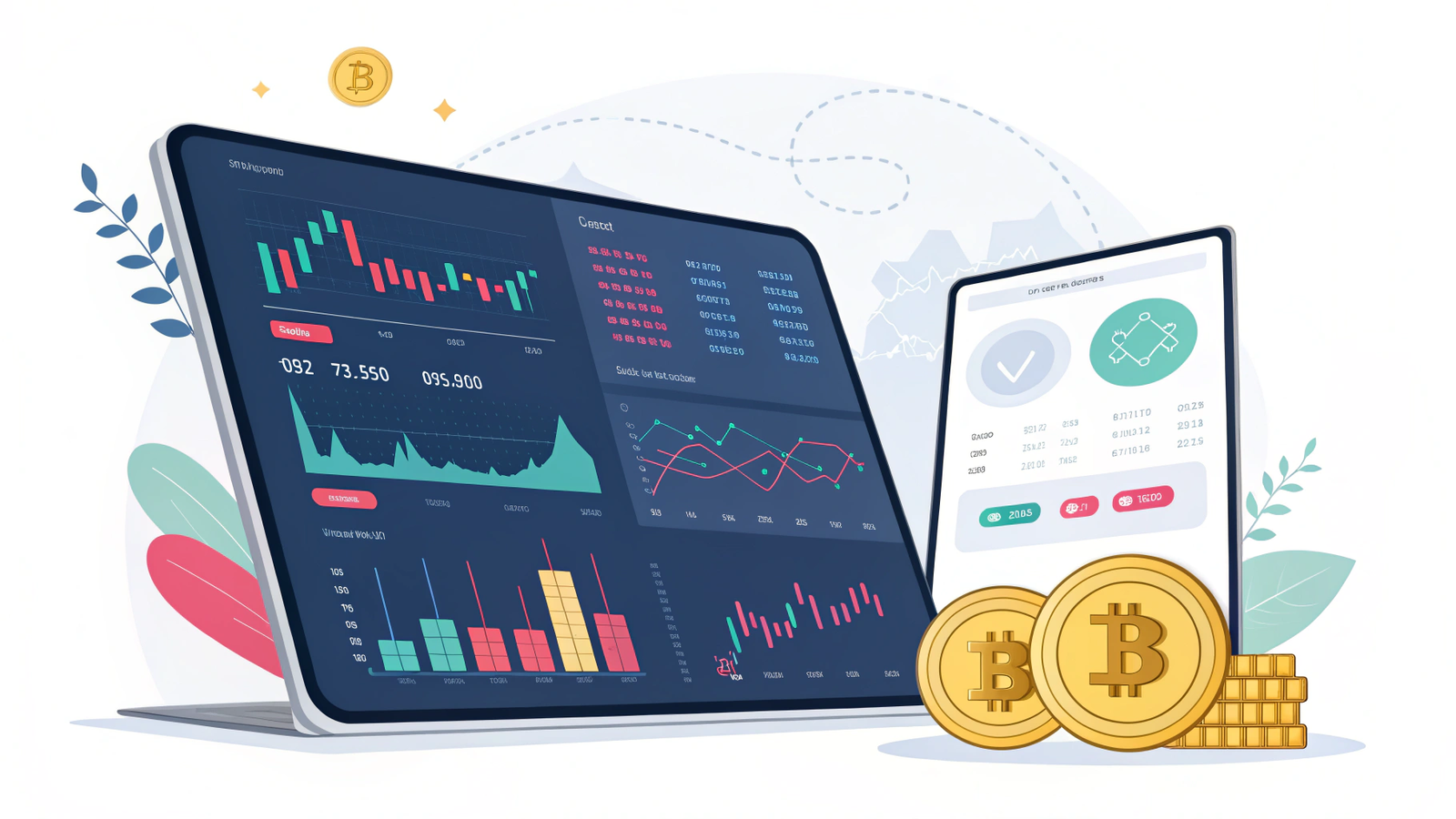
Financial markets move fast. Every second, millions of data points flow through exchanges worldwide. Human traders struggle to process this information quickly enough to make optimal decisions. This is where algorithmic trading systems step in, using mathematical models and computational power to analyze markets and execute trades faster than any person could.
Algorithmic trading has transformed how financial institutions operate. What was once exclusive to hedge funds and investment banks is now accessible to individual traders through platforms like the Korvato trading bot. Understanding the science behind these systems helps traders make informed decisions about using automated trading technology.
Algorithmic trading uses mathematical models and computer programs to analyze market data and execute trades automatically. These systems process thousands of data points per second, identify patterns humans might miss, and remove emotional bias from trading decisions through rule-based logic and statistical analysis.
How Algorithmic Systems Process Market Data
At the core of every trading algorithm lies data processing. Modern trading systems consume vast amounts of information from multiple sources simultaneously. Price movements, trading volumes, order book depth, economic indicators, and news feeds all feed into the system’s decision-making process.
The algorithmic logic starts with data collection. Systems pull real-time information from market exchanges, often processing this data in milliseconds. This speed matters because currency prices can change multiple times per second. Missing even a fraction of that movement can mean the difference between profit and loss.
Once collected, the data undergoes filtering and normalization. Raw market data contains noise—irrelevant fluctuations that don’t signal meaningful trends. Algorithms use statistical methods to separate signal from noise. Moving averages, standard deviations, and correlation coefficients help identify which price movements matter and which represent random market activity.
The system then applies its core logic. This is where different algorithmic approaches diverge. Some systems use rule-based strategies with predetermined conditions. If price crosses above a certain threshold while volume increases, execute a buy order. Other systems employ more sophisticated methods that learn from historical patterns and adapt to changing market conditions.
Machine Learning’s Role in Modern Trading Systems
Machine learning finance applications have evolved significantly over the past decade. Unlike traditional algorithms that follow fixed rules, machine learning systems can identify complex patterns in historical data and use those patterns to make predictions about future price movements.
These systems work through a training process. The algorithm analyzes years of historical market data, looking for relationships between different variables and subsequent price movements. It learns which combinations of indicators preceded profitable trading opportunities and which signaled potential losses.
Several machine learning approaches apply to trading:
- Supervised learning: The system learns from labeled historical data where outcomes are known, then applies those lessons to new market conditions
- Unsupervised learning: The algorithm identifies hidden patterns and groupings in market data without predefined categories
- Reinforcement learning: The system learns through trial and error, receiving feedback on whether its trading decisions generated profits or losses
- Neural networks: Multi-layered computational models that can recognize extremely complex, non-linear relationships in market data
The strength of machine learning in trading comes from its ability to process more variables than human traders can track. A person might monitor five or ten indicators simultaneously. A machine learning system can analyze hundreds of variables at once, weighing each factor’s importance and how they interact with each other.
However, machine learning systems face challenges. Markets change over time, and patterns that worked in the past may not continue. This phenomenon, called regime change, requires systems to continuously update their models. The best AI trading bot platforms build in mechanisms to detect when market behavior has shifted and adapt their strategies accordingly.
Predictive Analytics and Statistical Models
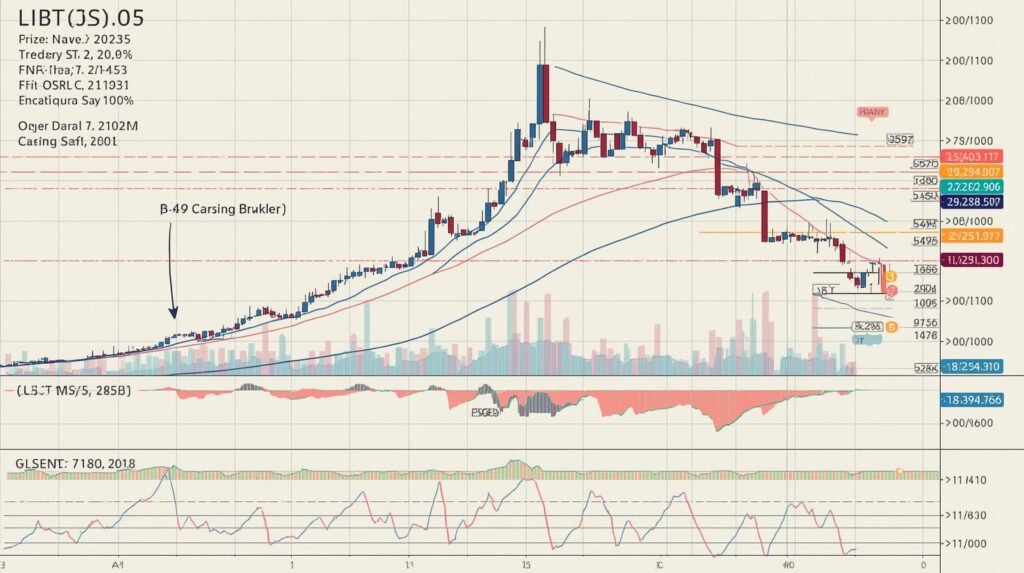
Predictive analytics forms the foundation of algorithmic trading decisions. These mathematical models attempt to forecast future price movements based on current and historical data. Understanding these models helps traders evaluate the logic behind automated trading systems.
Time series analysis represents one common approach. This statistical method examines how prices change over time, looking for trends, cycles, and seasonal patterns. Algorithms use techniques like ARIMA models (AutoRegressive Integrated Moving Average) to project how these patterns might continue into the future.
Regression analysis helps algorithms understand relationships between different market variables. For example, how does the price of one currency pair relate to another? How do interest rate changes affect exchange rates? Regression models quantify these relationships and use them to predict price movements when related variables change.
Probability distributions play a crucial role in risk management. Trading algorithms don’t just predict the most likely outcome—they calculate the probability of different scenarios. This allows the system to size positions appropriately. When confidence is high, the algorithm might take larger positions. When uncertainty increases, it reduces exposure or stays out of the market entirely.
Volatility forecasting helps algorithms adjust to changing market conditions. Markets alternate between calm periods with small price movements and volatile periods with large swings. Algorithms use models like GARCH (Generalized Autoregressive Conditional Heteroskedasticity) to predict how volatile the market will be in the near future and adjust their trading strategies accordingly.
| Statistical Method | Purpose | Trading Application |
|---|---|---|
| Time Series Analysis | Identify patterns over time | Trend following and cycle prediction |
| Regression Models | Quantify variable relationships | Cross-asset correlation trading |
| Probability Distributions | Calculate outcome likelihoods | Position sizing and risk management |
| Volatility Forecasting | Predict market turbulence | Strategy adjustment and stop-loss placement |
Risk Management Through Computational Logic
The most sophisticated algorithmic trading systems dedicate significant computational resources to risk management. While predicting profitable trades gets attention, protecting capital through systematic risk controls often determines long-term success.
Position sizing algorithms calculate how much capital to allocate to each trade based on multiple factors. The system considers account size, the probability of success, potential profit versus potential loss, and current portfolio exposure. This mathematical approach removes the emotional tendency to overtrade after wins or undertrade after losses.
Stop-loss placement uses statistical analysis rather than arbitrary percentages. Algorithms analyze price volatility to set stop-losses at levels that protect against significant losses while avoiding premature exits from normal market fluctuations. This approach, called volatility-adjusted stop-losses, adapts to current market conditions rather than applying the same rules in all environments.
Correlation analysis prevents over-concentration of risk. If multiple trades move in the same direction, losses can accumulate quickly. Algorithms monitor correlation between open positions and limit exposure when trades become too similar, maintaining portfolio diversification even during automated execution.
Drawdown management systems monitor cumulative losses and adjust trading behavior when losses exceed predetermined thresholds. Some systems reduce position sizes after losing streaks, while others temporarily halt trading to prevent emotional decision-making—or in the case of algorithms, to prevent continuing a strategy that may no longer fit current market conditions.
Limitations and Realistic Expectations
Despite their computational power, algorithmic trading systems have limitations that users must understand. No system can predict the future with certainty, and all trading involves risk of loss.
Market conditions change unpredictably. Economic events, policy decisions, and unexpected news can cause price movements that no historical analysis could anticipate. Algorithms perform best in markets that behave similarly to their training data but struggle when entirely new patterns emerge.
Over-optimization represents a significant risk. When developers tune algorithms too precisely to historical data, the system may perform exceptionally well on past data but fail in real-world trading. This phenomenon, called curve-fitting, creates false confidence in system performance.
Execution challenges affect all trading systems. Slippage occurs when the price at which an order executes differs from the expected price. During volatile markets or with large orders, this difference can significantly impact profitability. Even the fastest algorithms cannot completely eliminate execution risk.
Technology failures happen. Internet connections drop, servers malfunction, and software contains bugs. Reliable algorithmic trading requires backup systems, monitoring tools, and manual override capabilities to manage these technical risks.
Traders should maintain realistic expectations about algorithmic performance. Past results do not guarantee future performance. Market conditions evolve, and strategies that worked previously may not continue to work. Successful algorithmic trading requires ongoing monitoring, periodic strategy adjustments, and proper risk management.
Making Informed Decisions About Automated Trading
Understanding the science behind algorithmic decision-making helps traders evaluate automated trading systems critically. These systems offer real advantages—speed, consistency, emotion-free execution, and the ability to process more data than humans can manage. However, they are tools, not guarantees of profit.
When considering algorithmic trading platforms, examine the logic behind their systems. What data does the algorithm analyze? What statistical methods does it employ? How does it manage risk? Transparent platforms that explain their methodology allow users to make informed decisions about whether the approach aligns with their trading goals and risk tolerance.
Algorithmic trading works best when users understand both the capabilities and limitations of these systems. The mathematics and computational power behind modern trading algorithms represent significant technological achievements, but they operate within the same uncertain markets as human traders. Success requires combining algorithmic efficiency with realistic expectations, proper risk management, and ongoing oversight.
All trading involves risk, and algorithmic systems do not eliminate that risk. They change how decisions are made—replacing emotional reactions with mathematical logic—but cannot predict unpredictable markets with certainty. Users remain responsible for their trading decisions, including the choice to use automated systems and the risk parameters they set.
Disclaimer: Trading involves significant risk and may result in the loss of your capital. Past performance does not guarantee future results. All information on this website is provided for educational and entertainment purposes only. Korvato provides software tools and does not offer financial, investment, or brokerage services. Trade responsibly.