
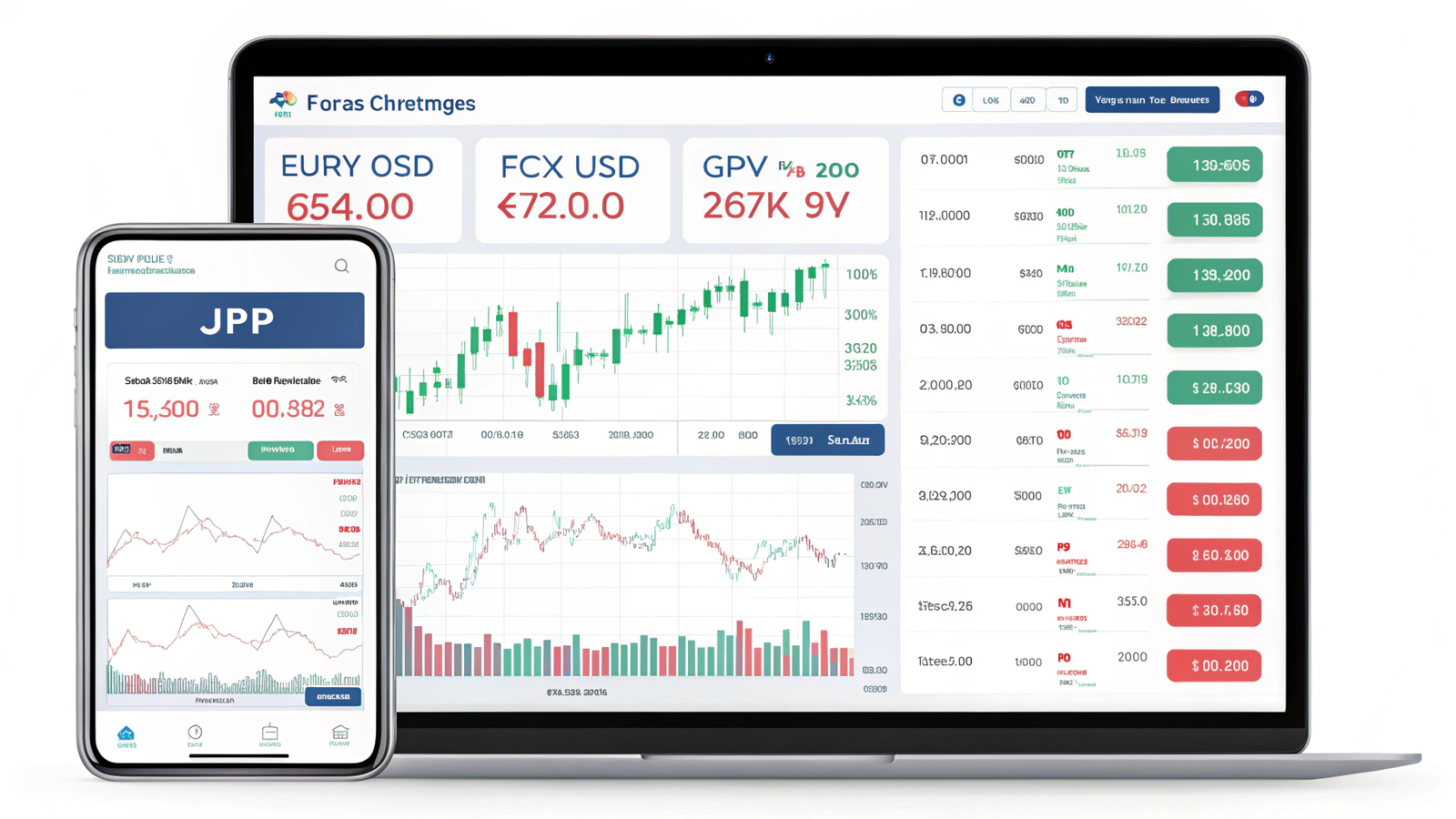
Long-term investing has always required patience, discipline, and careful analysis. For decades, successful investors spent countless hours researching markets, tracking economic indicators, and adjusting portfolios based on changing conditions. Today, artificial intelligence is changing how people approach these time-tested strategies. AI trading tools now handle tasks that once demanded significant expertise and constant attention, making sophisticated investment approaches accessible to a broader audience.
AI trading tools analyze vast amounts of market data in real-time, identify patterns humans might miss, and execute trades without emotional bias. These systems monitor markets continuously, adjust to changing conditions, and help investors maintain disciplined strategies over extended periods while reducing the time commitment traditionally required for active portfolio management.
The shift toward automated investing represents more than just convenience. It addresses fundamental challenges that have limited individual investors for generations. Market analysis that previously required teams of professionals can now be performed by algorithms in milliseconds. Risk management strategies once reserved for institutional investors are becoming available to individuals. This democratization of financial technology is reshaping the landscape for long-term wealth building.
The Evolution from Traditional to AI-Powered Investing
Traditional long-term investing relied heavily on manual research and periodic portfolio rebalancing. Investors would analyze company fundamentals, economic reports, and market trends to make decisions. This approach worked but demanded considerable time and expertise. Many individual investors struggled to compete with institutional players who had access to advanced tools and dedicated research teams.
Robo-advisors emerged as an early solution, offering automated portfolio management based on modern portfolio theory. These platforms would assess an investor’s risk tolerance and automatically allocate funds across diversified portfolios. While helpful, first-generation robo-advisors followed relatively simple rules and lacked the adaptive capabilities that newer systems provide.
Modern AI investing platforms represent a significant leap forward. Unlike basic robo-advisors that follow predetermined formulas, advanced systems can analyze multiple data sources simultaneously, recognize complex patterns, and adapt strategies based on changing market conditions. This evolution has created opportunities for more responsive long-term strategies that maintain core investment principles while incorporating real-time market intelligence.
Platforms focused on fintech portfolio management now integrate machine learning algorithms that improve over time. These systems learn from market behavior, identify correlations that aren’t immediately obvious, and adjust risk parameters dynamically. The result is a more nuanced approach to long-term investing that combines the patience of traditional buy-and-hold strategies with the responsiveness of active management.
Key Advantages AI Brings to Long-Term Investment Strategies
AI-driven systems offer several concrete benefits that address longstanding challenges in long-term investing. Understanding these advantages helps investors evaluate whether automated tools align with their financial goals.
Emotion-Free Decision Making: One of the biggest obstacles to successful long-term investing is emotional bias. Fear during market downturns and greed during rallies cause investors to make poor decisions. AI systems execute strategies based on data and predefined parameters, eliminating emotional reactions that often derail long-term plans. This consistency helps investors stick to their strategies through market cycles.
Continuous Market Monitoring: Markets operate around the clock across different time zones. AI tools never sleep, constantly scanning for opportunities and risks. This 24/7 vigilance ensures that significant market movements don’t go unnoticed, even when investors are away from their screens. For currency markets in particular, where trading happens continuously, this constant monitoring provides a substantial advantage.
Data Processing at Scale: Human analysts can review only limited information before making decisions. AI systems process enormous datasets simultaneously, identifying relationships and patterns across thousands of securities, economic indicators, and market conditions. This comprehensive analysis supports more informed investment choices based on broader market intelligence.
Adaptive Risk Management: Traditional long-term strategies often use static risk allocations that change only during periodic reviews. AI-powered systems can adjust risk exposure dynamically based on market volatility, correlation changes, and other factors. This adaptive approach helps protect capital during turbulent periods while maintaining appropriate exposure during stable conditions.
Time Efficiency: Managing a long-term investment portfolio traditionally required regular attention to rebalancing, tax considerations, and strategy adjustments. Automated systems handle these tasks continuously, freeing investors from constant monitoring while ensuring their strategies remain on track. This efficiency makes sophisticated investing accessible to people with limited time for financial management.
How Advanced AI Trading Systems Function in Practice
Understanding how AI trading technology actually works helps investors make informed decisions about incorporating these tools into their strategies. While the underlying algorithms can be complex, the fundamental approach follows logical principles.
Advanced systems like those used in korvato trading platforms analyze real-time market data from multiple sources. These systems examine price movements, volume patterns, economic indicators, and other relevant factors. Machine learning algorithms identify patterns that historically preceded certain market behaviors, creating models that inform trading decisions.
The process typically involves several stages:
- Data Collection: The system gathers information from market feeds, news sources, economic reports, and historical databases.
- Pattern Recognition: Algorithms identify correlations and trends within the data that may indicate opportunities or risks.
- Strategy Execution: Based on predefined parameters and learned patterns, the system determines appropriate actions.
- Risk Assessment: Before executing trades, the system evaluates potential risks against established tolerances.
- Continuous Learning: The algorithms analyze outcomes to refine future decision-making processes.
For long-term investors, these systems don’t necessarily mean frequent trading. Instead, they provide intelligent oversight that ensures portfolios remain aligned with goals while adapting to significant market shifts. The automation handles tactical adjustments within a broader strategic framework that investors define based on their objectives and risk tolerance.
Transparency remains important when using automated systems. Investors should understand the general approach their chosen platform uses, even if they don’t grasp every technical detail. Reputable platforms provide clear information about their methodologies, risk management protocols, and performance tracking.
Comparing Traditional and AI-Enhanced Investment Approaches
A direct comparison helps clarify how AI tools differ from conventional methods and where they provide the most value.
| Aspect | Traditional Approach | AI-Enhanced Approach |
|---|---|---|
| Market Analysis | Manual research, limited data points | Automated analysis of vast datasets |
| Time Commitment | Regular monitoring and research required | Minimal ongoing time investment |
| Emotional Influence | Subject to fear and greed | Decisions based on data and rules |
| Market Monitoring | Limited to active hours | Continuous 24/7 surveillance |
| Adaptation Speed | Periodic adjustments | Real-time response to conditions |
| Accessibility | Requires significant expertise | Available to various skill levels |
| Risk Management | Static allocation with periodic review | Dynamic adjustment based on conditions |
This comparison doesn’t suggest traditional methods are obsolete. Many successful investors combine human judgment with automated tools, using AI to handle routine analysis while making strategic decisions themselves. The optimal approach depends on individual circumstances, expertise, and comfort with technology.
Important Considerations When Using AI for Long-Term Investing
While AI trading tools offer significant advantages, investors should approach them with realistic expectations and proper understanding. These systems are powerful but not infallible.
Risk Remains Present: All investing involves risk, regardless of the tools used. AI systems cannot eliminate market risk or guarantee profits. Past performance of any system does not indicate future results. Investors should only commit capital they can afford to lose and maintain diversified approaches to wealth building.
Understanding System Limitations: AI algorithms base decisions on historical data and identified patterns. Unprecedented market events or structural changes can challenge even sophisticated systems. The best AI trading bot platforms acknowledge these limitations and incorporate safeguards, but investors should understand no system is perfect.
Maintaining Control: Quality AI trading platforms allow investors to maintain control over their accounts and capital. Users should be able to set risk parameters, adjust strategies, and intervene when necessary. Platforms that restrict access or control should raise concerns.
Regulatory Compliance: The financial technology sector operates within regulatory frameworks designed to protect investors. Reputable platforms comply with applicable regulations and maintain transparency about their operations. Investors should verify that any platform they consider operates legally within their jurisdiction.
Due Diligence: Before adopting any AI trading system, investors should research the company behind it, understand its methodology, and verify its track record. Questions about Korvato scam concerns or similar inquiries about any platform are reasonable and should be addressed through proper research and verification of credentials.
Ongoing Education: Even when using automated tools, investors benefit from understanding basic investment principles and market dynamics. AI handles execution, but investors should comprehend the overall strategy and remain informed about their financial situation.
Looking Ahead: The Future of Automated Investing
The integration of AI into long-term investing strategies represents an ongoing evolution rather than a finished product. Technology continues advancing, creating new possibilities for how individuals build wealth over time.
Machine learning algorithms are becoming more sophisticated, better at recognizing complex patterns and adapting to changing market conditions. Natural language processing allows systems to analyze news, social sentiment, and other unstructured data sources. These advances will likely make AI tools even more effective at supporting long-term investment goals.
Accessibility continues improving as platforms become more user-friendly and affordable. What once required substantial capital and institutional access is increasingly available to individual investors. This democratization supports the broader goal of helping more people achieve financial security through disciplined, intelligent investing.
Integration with other financial tools is expanding. AI trading systems are connecting with tax optimization software, retirement planning tools, and comprehensive wealth management platforms. This ecosystem approach provides holistic support for long-term financial health rather than isolated trading capabilities.
The role of fintech portfolio management will likely grow as investors recognize the benefits of combining human wisdom with machine efficiency. Rather than replacing human judgment entirely, AI tools augment decision-making and handle tasks that machines perform better than people.
Making Informed Decisions About AI Trading Tools
AI trading technology offers genuine advantages for long-term investors seeking to build wealth systematically. These tools address real challenges that have limited individual investors, providing capabilities once available only to institutions. The ability to analyze vast data, maintain emotional discipline, and monitor markets continuously supports more effective long-term strategies.
However, success still requires realistic expectations and proper due diligence. AI systems are tools, not magic solutions. They work best when investors understand their capabilities and limitations, maintain appropriate risk management, and integrate them thoughtfully into comprehensive financial plans. All trading involves risk, and investors remain responsible for their decisions regardless of the tools they use.
For those exploring automated investing, starting with education makes sense. Understanding how these systems work, what they can and cannot do, and how they fit into broader financial goals creates a foundation for informed choices. The transformation AI brings to long-term investing is significant, but realizing its benefits requires thoughtful implementation and ongoing engagement with your financial future.
Disclaimer: Trading involves significant risk and may result in the loss of your capital. Past performance does not guarantee future results. All information on this website is provided for educational and entertainment purposes only. Korvato provides software tools and does not offer financial, investment, or brokerage services. Trade responsibly.