
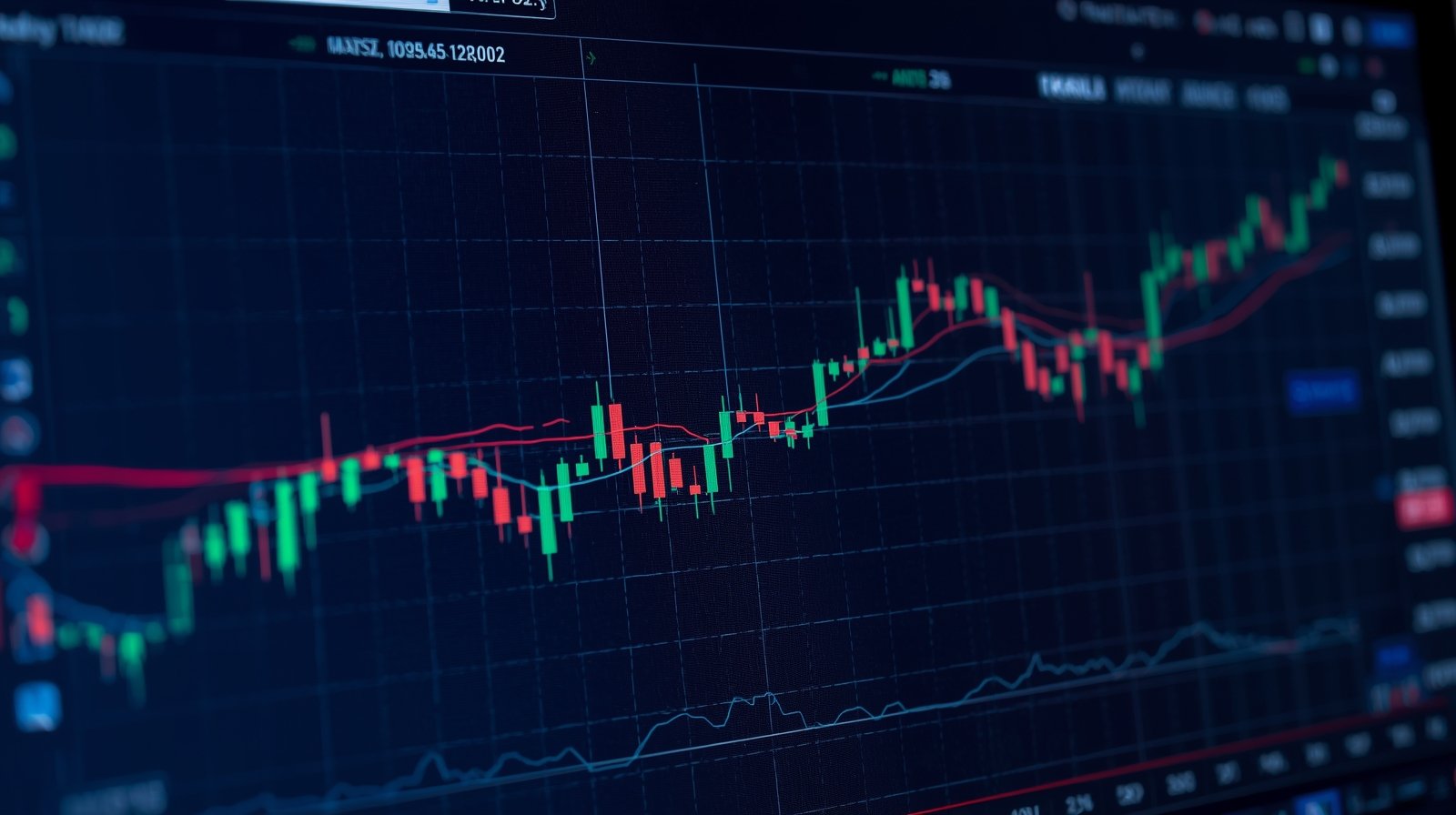
For decades, Wall Street operated as an exclusive club. Large financial institutions controlled the best trading technology, fastest market access, and most sophisticated analysis tools. Individual investors were left with delayed quotes, high broker fees, and limited market insight. This power imbalance meant that retail traders competed with one hand tied behind their backs.
Today, that landscape is changing. Technology has dismantled many barriers that once separated professional trading floors from individual investors. The shift represents more than just convenience—it marks a fundamental restructuring of who can access powerful trading tools and market opportunities.
Technology now gives individual traders access to institutional-grade tools, real-time market data, and automated trading systems that were once exclusive to Wall Street firms. AI-powered platforms analyze millions of data points instantly, executing trades 24/7 without human emotion or bias.
The Old Guard: How Wall Street Maintained Its Advantage
Understanding today’s changes requires looking at how traditional finance maintained control. Major investment banks and hedge funds built their dominance on several key advantages that retail investors simply could not match.
Speed was the first barrier. Institutional traders invested millions in infrastructure to execute trades milliseconds faster than competitors. They placed servers physically close to exchange data centers, gaining microsecond advantages that translated into significant profits. Individual investors using home computers had no way to compete with this speed.
Information access created another divide. Professional traders paid hundreds of thousands of dollars annually for Bloomberg terminals, real-time market data feeds, and proprietary research. Retail investors received delayed quotes—often 15 to 20 minutes behind actual market prices—and paid substantial fees for basic research reports.
Trading costs further tilted the playing field. Before online investing became widespread, individual investors paid commissions of $50 to $100 per trade. These fees made frequent trading prohibitively expensive for anyone without substantial capital. Meanwhile, institutional traders negotiated pennies per share or operated their own trading desks.
Perhaps most significantly, Wall Street firms employed teams of quantitative analysts, mathematicians, and programmers who built sophisticated trading algorithms. These systems could identify patterns across multiple markets, execute complex multi-leg strategies, and manage risk automatically. Individual investors had none of these capabilities.
The Technology Revolution in Financial Markets
Several technological advances converged to break down these barriers. The internet provided the foundation, enabling real-time data transmission to anyone with a connection. But the real transformation came from more recent innovations.
Cloud computing eliminated the need for expensive hardware infrastructure. Traders no longer needed to build their own data centers or maintain costly server networks. Computing power became available on-demand, allowing small operations to access the same processing capabilities as large institutions.
Artificial intelligence and machine learning changed market analysis fundamentally. These technologies can process vast amounts of data—price movements, economic indicators, news sentiment, and historical patterns—far faster than human analysts. What once required teams of researchers can now happen automatically in seconds.
Mobile technology extended trading capabilities beyond office desktops. Traders can now monitor positions, receive alerts, and execute trades from anywhere. The 24-hour nature of markets like forex no longer requires someone to stay physically present at a trading desk.
Application programming interfaces (APIs) connected different systems seamlessly. Traders can now link analysis tools, execution platforms, and risk management systems without custom programming. This integration was previously available only to firms with dedicated technology departments.
The fintech evolution brought these technologies together in user-friendly packages. Companies focused on removing complexity while maintaining powerful capabilities. The result is platforms that offer institutional-level functionality without requiring technical expertise to operate.
AI Trading: Leveling the Playing Field
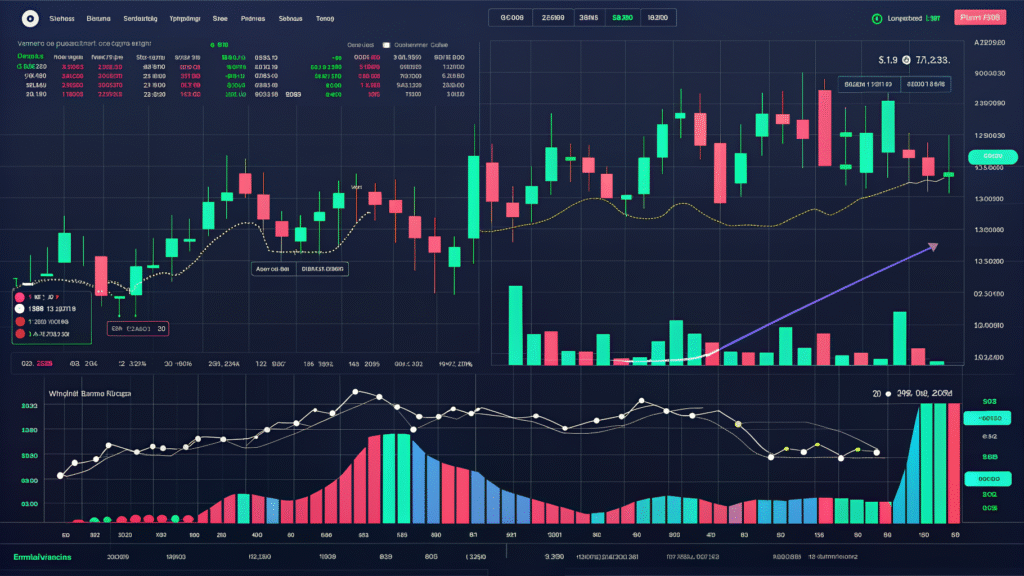
Artificial intelligence represents perhaps the most significant equalizer in modern trading. AI trading apps now perform functions that once required entire trading departments.
Pattern recognition is one area where AI excels. These systems analyze historical price data across multiple timeframes, identifying patterns that may indicate future movements. They do this continuously across numerous currency pairs or assets simultaneously—something no human trader could accomplish.
Risk management automation helps protect capital without constant monitoring. AI systems can set stop-losses, adjust position sizes based on market volatility, and exit trades when predetermined risk thresholds are reached. This removes the emotional decision-making that often leads traders to hold losing positions too long.
Execution speed has become democratized. While retail traders still cannot match the absolute speed of high-frequency trading firms, modern platforms execute orders in milliseconds. For most trading strategies, this speed is more than adequate.
Companies like those offering korvato trading systems exemplify this shift. Their Optimus AI engine analyzes real-time forex market data, identifies potential opportunities, and executes trades automatically. The system operates 24/7, monitoring markets even when traders sleep. This addresses one of the biggest challenges in forex trading—the market never closes, spanning different time zones continuously.
The key distinction in modern AI trading platforms is that users maintain control. Unlike traditional managed accounts where traders surrendered decision-making authority, these systems allow users to set their own risk parameters, choose which markets to trade, and maintain direct access to their capital.
What Decentralization Means for Individual Traders
Access to powerful tools does not eliminate trading risk or guarantee profits. Markets remain challenging, and technology alone cannot overcome poor strategy or inadequate risk management. However, the playing field has become more level in important ways.
Cost barriers have dropped dramatically. Many platforms now charge minimal or zero commissions on trades. Real-time market data that once cost thousands per month is often included free. This makes active trading strategies viable for accounts of almost any size.
Information symmetry has improved significantly. While institutional traders still have some advantages, individual traders now access much of the same market data and news that professionals see. The gap has narrowed from hours to seconds in many cases.
Analysis capabilities have been democratized. Tools that perform technical analysis, backtest strategies, and generate trading signals are widely available. Some platforms incorporate these directly, requiring no separate software or subscriptions.
The learning curve has flattened. Earlier trading platforms assumed users had extensive market knowledge and technical skills. Modern systems explain concepts clearly, provide educational resources, and use intuitive interfaces that do not require finance degrees to understand.
Geographic barriers have disappeared almost entirely. A trader in rural America has essentially the same market access as someone in New York’s financial district. Location no longer determines trading opportunities.
However, this democratization comes with responsibility. Easy access to powerful tools means individuals must educate themselves about risk management and market dynamics. The same technology that can help build wealth can also lead to losses if used without understanding.
The Regulatory and Practical Reality
While technology has decentralized trading power, important realities remain. All trading involves risk of loss, and past performance never guarantees future results. These facts apply equally whether using advanced AI systems or traditional methods.
Regulatory frameworks continue evolving to address new technologies. In the United States, trading platforms must comply with regulations from agencies like the Commodity Futures Trading Commission for forex markets. These regulations exist to protect traders, but they also mean that not all platforms available internationally can serve U.S. customers.
The best AI trading bot systems operate within these regulatory frameworks while providing advanced capabilities. They maintain transparency about how algorithms make decisions, allow users to control risk settings, and ensure traders can access their funds without restrictions.
Education remains crucial despite automation. Understanding basic market concepts, risk management principles, and how different economic factors affect prices helps traders use automated systems more effectively. Technology handles execution and analysis, but human judgment still matters for setting overall strategy and risk tolerance.
Capital requirements vary by market and strategy. While barriers have lowered, traders still need sufficient capital to withstand normal market fluctuations. Undercapitalized accounts face higher risk of complete loss, regardless of the technology used.
Some question whether platforms offering automated trading represent a korvato scam or legitimate technology. Due diligence matters when selecting any trading platform. Legitimate providers are transparent about risks, maintain proper regulatory compliance, give users full control over their accounts, and do not make unrealistic profit promises.
Looking Forward: What Comes Next
The decentralization of trading power continues accelerating. Several trends suggest where things are heading.
AI capabilities will keep improving. Machine learning models become more sophisticated as they process more data. Future systems may identify opportunities and manage risk even more effectively than current versions.
Integration across asset classes will expand. Rather than separate platforms for stocks, forex, cryptocurrencies, and commodities, traders may use unified systems that analyze opportunities across all markets simultaneously.
Personalization will increase. AI systems may adapt to individual risk tolerance, trading goals, and market preferences more precisely than current platforms allow.
Education and automation will merge further. Systems might explain why they are taking specific actions, helping users learn market dynamics while trades execute automatically.
The gap between institutional and retail capabilities will continue narrowing, though it may never disappear entirely. Large firms will always have some advantages, but those advantages matter less than they once did.
For traders exploring these technologies, platforms offering online investing with AI assistance represent one option among many. The key is understanding what any system can and cannot do, maintaining realistic expectations, and never risking more capital than you can afford to lose.
The New Trading Landscape
The shift from Wall Street exclusivity to widespread access represents a genuine change in financial markets. Technology has not eliminated the advantages that large institutions hold, but it has reduced them significantly. Individual traders now have tools that would have seemed impossible just 20 years ago.
This democratization creates opportunities but also requires responsibility. Access to powerful trading technology means individuals must educate themselves about markets and risk. The same AI systems that can help identify opportunities can also execute losing trades quickly if not properly configured.
The future likely holds further decentralization as technology continues advancing. What remains constant is that markets reward preparation, discipline, and realistic expectations while punishing recklessness and overconfidence—regardless of what technology traders use.
Disclaimer: Trading involves significant risk and may result in the loss of your capital. Past performance does not guarantee future results. All information on this website is provided for educational and entertainment purposes only. Korvato provides software tools and does not offer financial, investment, or brokerage services. Trade responsibly.